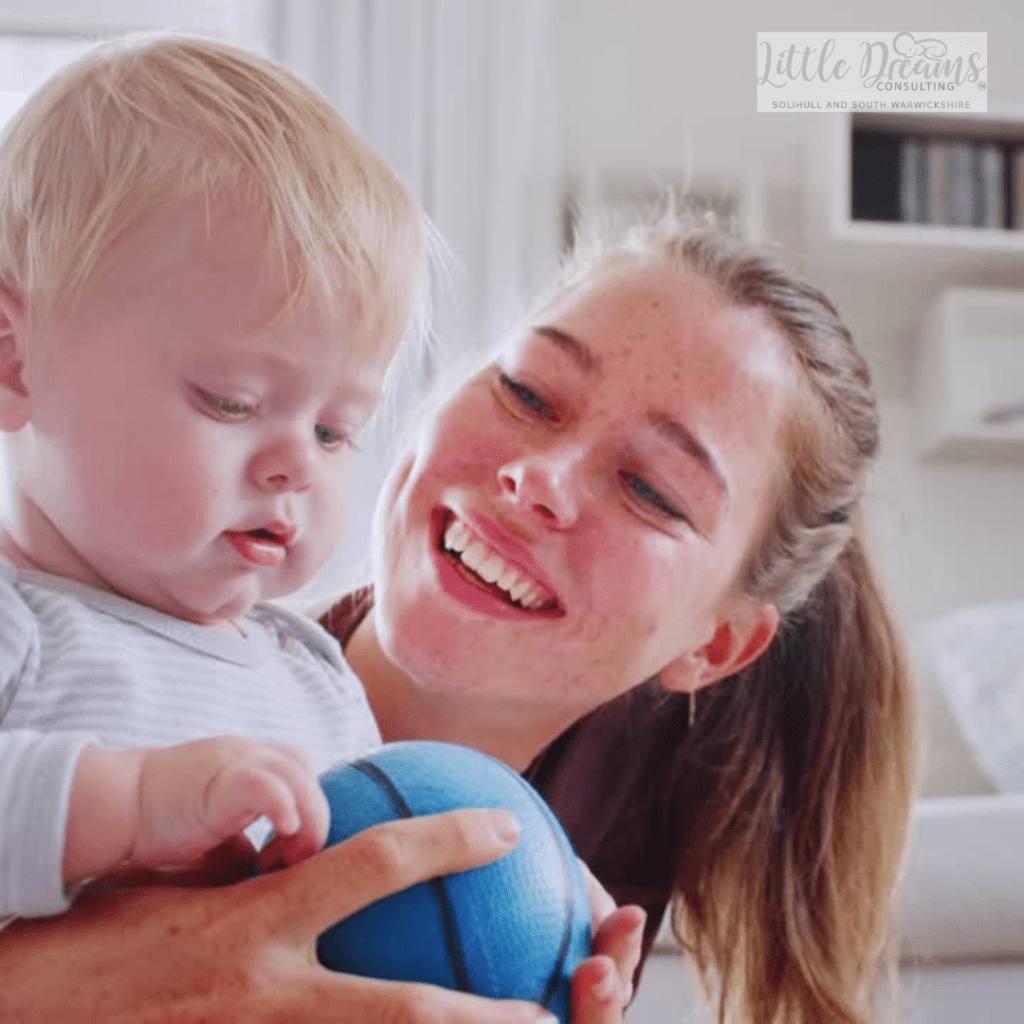
Separation anxiety often makes an appearance around the 8-10 month mark when your baby starts to grasp an exciting cognitive milestone called object permanence. This simply means they now understand that you still exist, even when they can’t see you. While this development is a big step forward, it can also lead to clinginess and distress whenever you’re out of sight.
Although it’s completely normal and a sign of a secure attachment, it can feel exhausting when your little one protests every time you leave the room. So, what can you do to ease their anxiety and help them through this phase?
Practical Tips for Managing Separation Anxiety
1. Reassure and Build Emotional Security
Your baby thrives on the knowledge that you’ll always come back. Offering consistent reassurance can help them feel safe, even during separations. Over time, they’ll realise that your comings and goings are part of a predictable routine. This understanding is an essential part of their emotional growth.
2. Create Comfort Through Familiarity
Introducing a comfort item, like a soft toy or blanket, can work wonders for easing anxiety. As per The Lullaby Trust’s guidelines, ensure these items are safe for use during sleep. Familiar objects offer a sense of security and can help bridge the gap when you’re not in sight.
3. Be Mindful of Timing
Departures are often easier when your baby is well-rested and fed. If possible, avoid leaving during times when they’re tired, hungry, or unsettled. Choosing moments when they’re content and relaxed can make separations smoother.
4. Practice Short Separations at Home
Start small by encouraging your baby to explore nearby rooms independently while you remain out of sight briefly. Let them know where you are and reassure them that you’ll be back soon. These tiny steps help build their confidence in your return.
5. Introduce Trusted Caregivers Gradually
If you’re planning to leave your baby with someone else, let them build trust with that person beforehand. Start with short visits and gradually extend the time, ensuring your little one feels secure in the presence of the new caregiver.
6. Establish a Consistent Routine
Babies thrive on routine because it gives them a sense of predictability. Having set routines for naps, bedtime, and even goodbyes can help your little one know what to expect and feel less anxious when it’s time to part ways.
7. Goodbye Rituals Matter
A loving, consistent goodbye ritual can help your baby transition through separations more easily. Whether it’s a specific number of kisses, a key phrase like “See you after lunch!” or a cheerful wave, these rituals provide reassurance. Resist the urge to sneak off, as it may leave your baby feeling unsure or worried about your return.
8. Stay Calm and Confident
Your baby takes emotional cues from you. If you seem anxious or hesitant, they’re likely to feel the same. Show them that goodbyes are nothing to fear by remaining calm, consistent, and confident in your actions.
Why This Phase Is Important
Separation anxiety reflects the strong bond you’ve built with your baby. It’s a developmental phase that, although challenging, lays the foundation for their emotional resilience. Over time, your little one will learn that separations are temporary and that they can trust in your return.
For most families, this stage passes with patience and support. Remember, if you’re finding it difficult to manage or need guidance on your little one’s sleep, I’m here to help. Feel free to reach out for a free 15-minute chat—I’d love to support you and your family.