

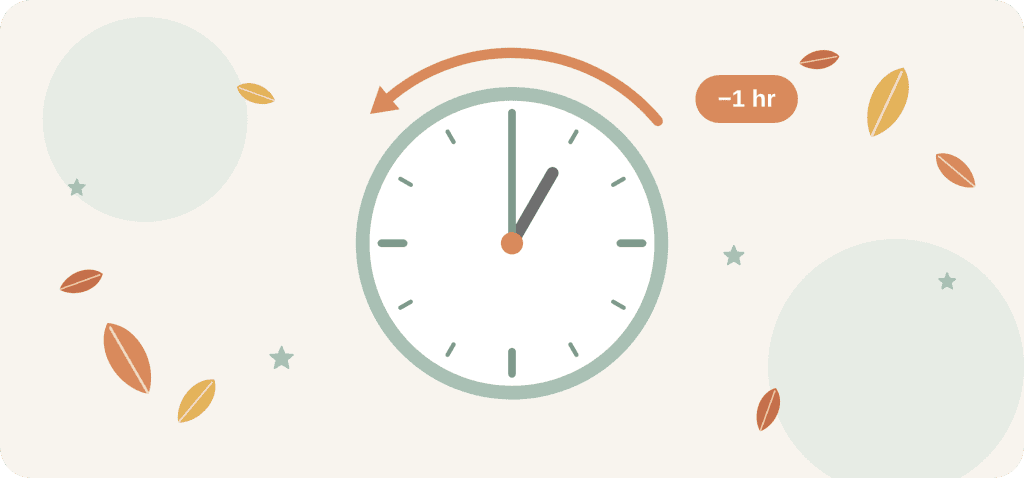
The clocks go back at 2am on Sunday 25th October, and while many of us are looking forward to an extra hour in bed, the change can have a bigger effect on our wellbeing than most people realise.
Of the two clock changes each year, the autumn one is the gentler of the two. Even so, the evidence on how shifting our clocks affects health is strong enough that the British Sleep Society has published a position statement calling for the twice-yearly change to be scrapped altogether.
The good news for parents is that, with a little planning, most children settle into the new time within a week or so, and there is plenty families can do to make the change easier.
Why the clock change affects us
Our sleep is governed by our circadian rhythm, the internal body clock that takes its cues from light, especially morning light. As it gets dark, our bodies release melatonin, the hormone that helps us feel sleepy. When we see daylight, melatonin production drops and cortisol rises, helping us feel awake and alert.
When the clocks change, the timing of light and dark in our day shifts with them. That can unsettle our sleep, and our mood, until our body clock catches up.
The spring change, when we lose an hour, is the harder of the two. Studies in the US in 2014 and 2020 linked it to a 24% increase in heart attacks and a 6% increase in fatal road traffic accidents. These effects appear far less pronounced in October, but the disruption to sleep is still very real, particularly for young children.
What it means for little ones
For adults without young children, “falling back” usually means a welcome lie-in. Unfortunately, babies and toddlers don’t get the memo. A child who wakes at 6am will, after the clocks change, suddenly be waking at 5am.
Ironically, the spring clock change gives early risers a natural reset, as a 5am wake-up becomes 6am overnight. In autumn it works the other way, so for little ones who already wake early, things can feel worse. Thankfully, there are simple steps parents can take before and after the change to help.
Age by age guide
Older children (no longer napping)
Meet in the middle. If bedtime is normally 7pm, put them to bed at 6.30pm (new time) on the day the clocks change. For children who are more sensitive to change, move bedtime later by 15 minutes every three days until you’re back at their usual time.
Toddlers (on one nap)
Use the same “meet in the middle” approach for both the nap and bedtime. If their nap is usually at 12.30pm, offer it at 12pm for a few days after the change, then move it back to 12.30pm. Do the same with bedtime.
Babies over 4 months
Babies tend to find the change trickiest, as they’re especially sensitive to shifts in timing. Keep your usual routine, but when they wake in the morning, leave them for an extra 10 minutes if they’re content. If they’re still happy, stretch this to 20 minutes on day two and 30 minutes on day three. If they’re struggling, gently push naps later by 15 minutes every three days or so to help their body clock adjust.
Top tips for every age
- Keep the bedtime routine the same. A familiar routine is the clearest signal to your child’s brain that it’s time for sleep.
- Get outside. Daylight is the most natural way to reset everyone’s body clock. Aim for time outdoors in the morning and early afternoon. An autumn walk in your local park is perfect.
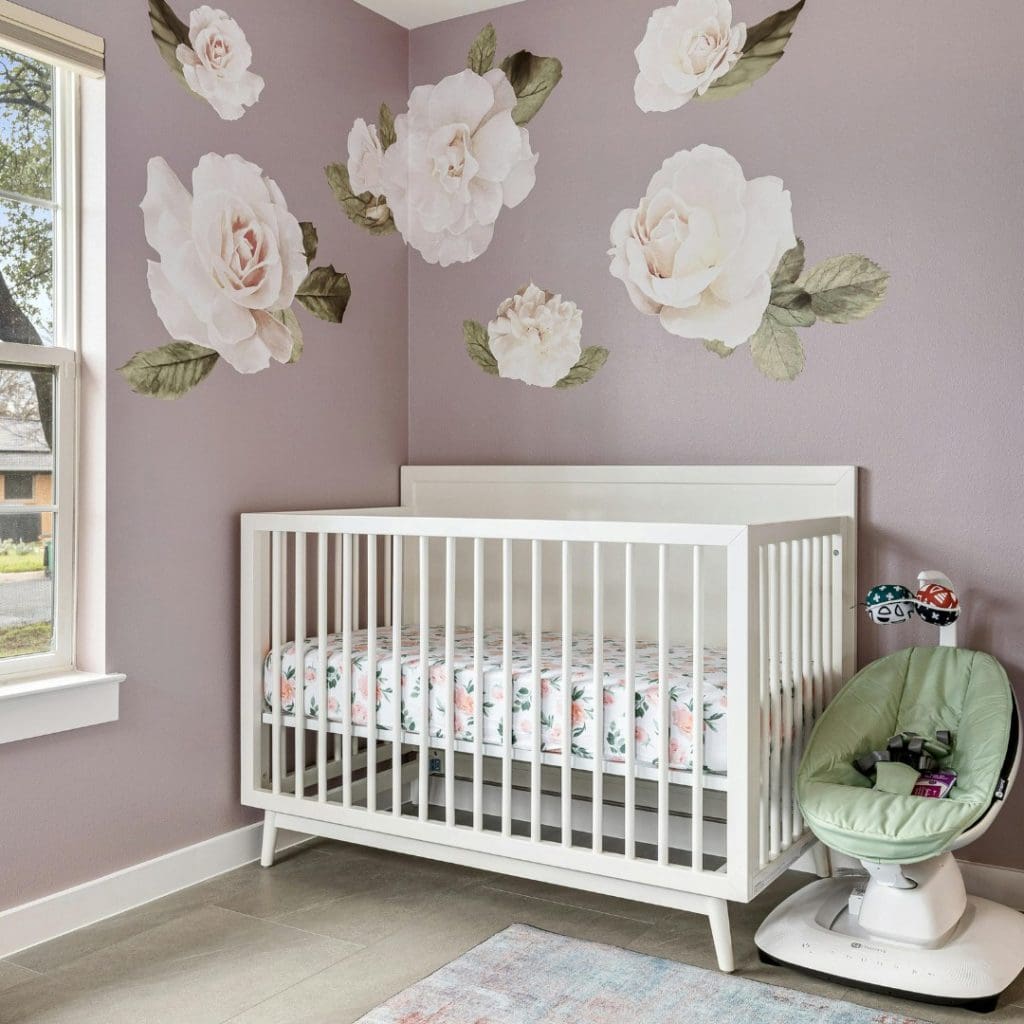
- Make the bedroom sleep-friendly. Keep it calm and quiet, use blackout blinds or curtains to keep it dark, and consider white noise to mask background sounds.
- Try a toddler clock. For toddlers and older children, a wake-up clock such as a Gro clock or Zeepy clock shows them when it’s time to get up. Set it a little earlier once the clocks change, then move it back gradually as their body clock adjusts.

Every child is different. Some adjust in a couple of days, while others take a little longer. Staying consistent and patient is key, and if sleep is still a struggle a few weeks on, a Little Dreams sleep consultant can offer friendly, personalised support to help families get back on track.
| For more information please contact:Vicky Taramasco, Sleep Consultant Little Dreams Solihull and South Warwickshire Email: [email protected] Phone: 07990 236481 Web: solihullandswarwick.littledreamsconsulting.com |


