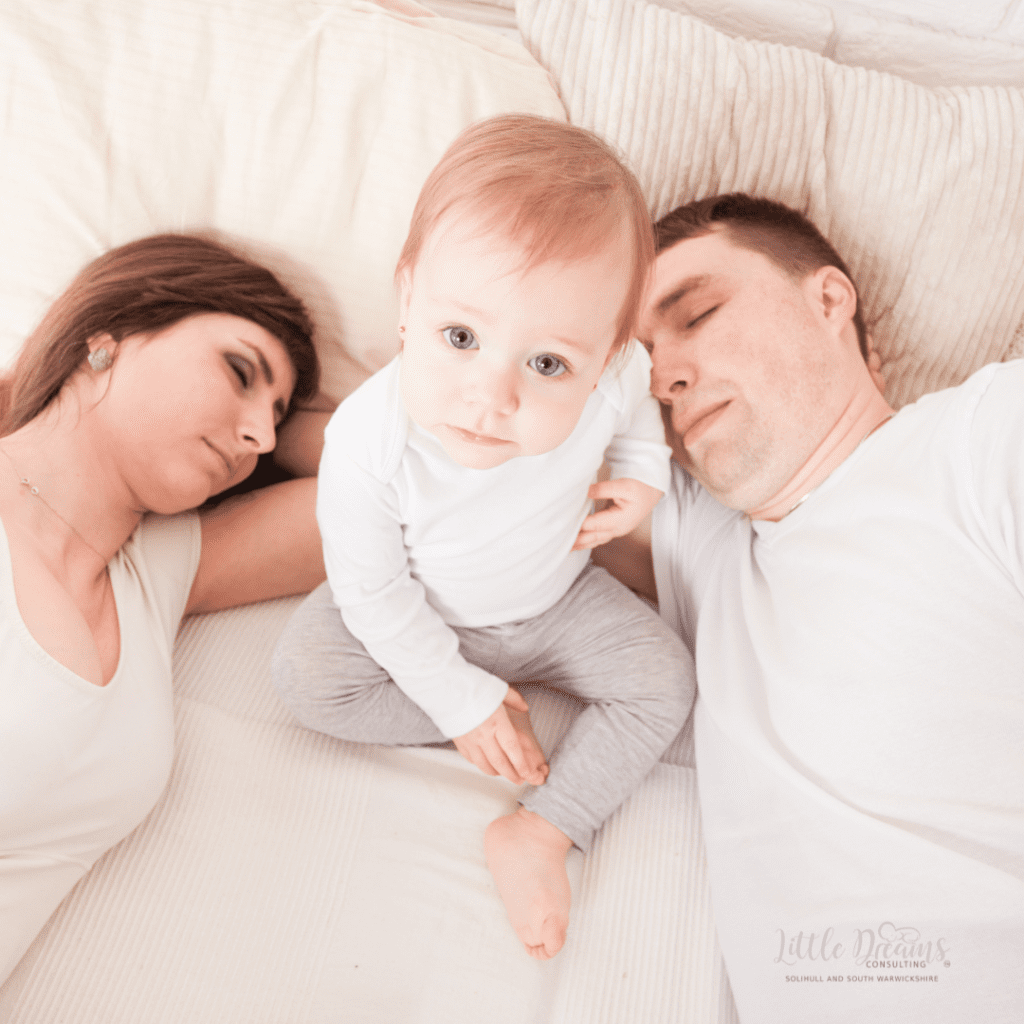
As a parent of three grown-up children, I’ve been through every stage of child development, and one thing remains constant: sleep is the foundation of well-being for both parents and children. I know how it feels to be awake at all hours, juggling the needs of little ones and feeling like rest is a distant dream. But I’ve also seen how transformative good sleep habits can be, not just for children but for the whole family.
This blog won’t capture all the incredible benefits of sleep—there are entire books dedicated to that. If you’re keen to dive deeper, I highly recommend The Sleep Revolution by Arianna Huffington, which explores the importance of sleep in today’s fast-paced world, and Dr. Matthew Walker’s Why We Sleep, a groundbreaking work on the science behind sleep and its role in our overall health.
Many parents accept poor sleep as part of parenting, but it doesn’t have to be that way. While those newborn days are undeniably exhausting, sleep doesn’t need to disappear once you have children. Let’s explore why sleep is so crucial—not just to get through the day, but for long-term self-care, health, and emotional well-being.
The Emotional and Relational Impact of Sleep
We’ve all been there. A rough night of sleep, followed by a day where tempers are short, and patience is even shorter. Sleep deprivation doesn’t just affect how we feel; it affects how we relate to those around us, including our children and partners. Numerous studies have demonstrated that a lack of sleep impairs emotional regulation, increases stress levels, and heightens irritability, making it harder to manage emotions and sustain positive relationships.
Dr. Matthew Walker explains in his book that sleep deprivation affects the prefrontal cortex, the part of the brain responsible for rational thought, and enhances the emotional response from the amygdala, which can leave us feeling more reactive and less able to cope with daily challenges.
I’ve worked with many parents who’ve shared how lack of sleep impacted their relationships. Whether it’s feeling resentful of their toddlers for disrupting their evenings or drifting apart from their partners due to the strain of broken nights, the emotional toll is undeniable. What many parents don’t realise is that by helping their children establish healthy sleep routines, they’re also giving themselves the gift of better emotional well-being and stronger family connections.
The Physical Benefits of Sleep
From a physical standpoint, sleep is a non-negotiable part of maintaining good health. It’s not just about feeling less tired—sleep influences everything from the immune system to metabolic health. As Arianna Huffington points out in The Sleep Revolution, we live in a society that often glorifies busyness, leaving sleep low on the priority list, but the long-term consequences can be severe. Poor sleep is linked to an increased risk of conditions like obesity, heart disease, and diabetes.
Dr. Walker further discusses how sleep affects our health in Why We Sleep. His research shows that sleep plays a vital role in regulating appetite, improving cardiovascular health, and even boosting the immune system. People who consistently sleep less than the recommended 7-9 hours are at a higher risk for developing chronic conditions.
But here’s something we don’t often talk about—how sleep affects our skin. You might not connect a few sleepless nights with fine lines and dark circles, but studies show that even five nights of reduced sleep can cause visible skin changes. Dr. Elma Baron, a dermatologist and sleep researcher, notes that the skin’s repair mechanisms are most active during deep sleep, so a lack of rest can accelerate signs of ageing. So, sleep isn’t just for feeling good; it helps us look our best too!
Why Sleep Matters for Children
As parents, we often put our own needs on hold, thinking it’s more important to focus on our children. But sleep is something that benefits everyone. Your baby, toddler, or even school-aged child needs good sleep just as much as you do. During sleep, growth hormones are secreted, the immune system is bolstered, and memory consolidation occurs—allowing your child to develop, learn, and grow.
According to the NHS, children aged 3 to 5 years should typically sleep 10 to 13 hours per day, and those aged 6 to 12 years should get around 9 to 12 hours of sleep each day. This sleep is crucial not only for their physical growth but also for their cognitive development and emotional regulation. Experts highlight that sleep deprivation can lead to behavioural difficulties, concentration issues, and increased stress. Prioritising good sleep hygiene from an early age helps children manage their emotions and fosters better attention spans and learning outcomes. Helping children learn to sleep well is one of the best gifts we can give them, setting them up for success now and in the future.
Self-Care Through Sleep
In today’s fast-paced world, taking care of ourselves often feels like a luxury. But the truth is, sleep is one of the most powerful forms of self-care there is. It’s essential for mental clarity, emotional balance, and physical health. In The Sleep Revolution, Huffington underscores the importance of sleep as a form of self-care that too many of us neglect. By prioritising sleep for both ourselves and our children, we create a foundation for well-being that benefits the whole family.
Dr. Walker also highlights how sleep enhances our ability to form and maintain healthy relationships, work productively, and manage stress. By neglecting sleep, we are, in essence, sacrificing these benefits.
Remember, sleep is not just a nice-to-have—it’s a must-have for everyone’s health and happiness. If you’re struggling with sleep in your family, I’d love to chat with you. Helping families achieve better sleep is what I do, and it can make all the difference in your day-to-day life.
As always, I’m here for a free 15-minute chat to see how we can improve your family’s sleep. Let’s work together to get everyone the rest they deserve!
References
- Huffington, A. (2016). The Sleep Revolution: Transforming Your Life, One Night at a Time. Harmony Books.
- Walker, M. (2017). Why We Sleep: Unlocking the Power of Sleep and Dreams. Scribner.
- NHS guidelines on children’s sleep: NHS
- Blunden, S., PhD – Paediatric sleep expert and advocate for children’s sleep health.